


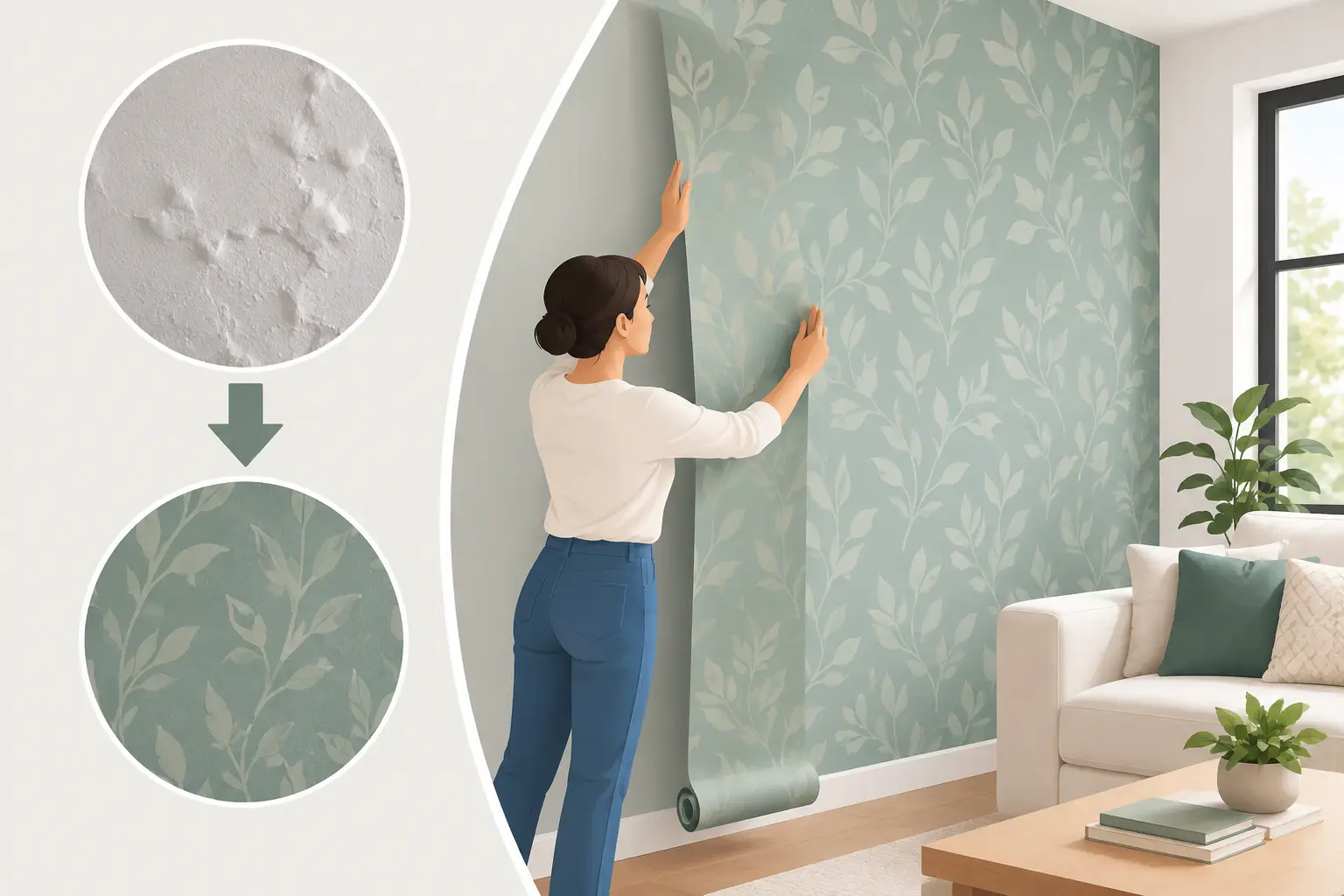
A wall can look perfectly fine from across the room, then reveal every dip, ridge and old repair once fresh paint goes on. So, can wallpaper hide uneven walls? Sometimes, yes – but only the right type of wallpaper, applied over properly prepared surfaces, will improve the result. Wallpaper is a finish, not a cure for every underlying wall problem.
For homes across St Andrews and Fife, this is especially relevant in older properties, where plaster walls may have settled over time or previous repairs have left visible patches. A careful assessment before decorating prevents a costly disappointment and gives the finished room the clean, considered look it deserves.
Can Wallpaper Hide Uneven Walls?
Wallpaper can disguise minor surface imperfections such as light texture, small hairline cracks, shallow dents and uneven paint edges. Thicker papers, textured wallcoverings and certain patterned designs are much more forgiving than paint, particularly matt paint in a pale colour, which can make every flaw stand out in strong daylight.
It cannot reliably hide major unevenness. If the wall has loose plaster, deep hollows, protruding patches, active cracks or damp damage, wallpaper may draw attention to the problem rather than conceal it. A raised repair can create a visible ridge beneath the paper, while a hollow can make the covering sit poorly and look flat in one area but stretched in another.
The key question is not whether the wall is completely perfect. Very few walls are. The question is whether it is sound, dry and smooth enough for the chosen wallcovering to sit evenly and stay adhered.
The Type of Wallpaper Makes a Real Difference
Not all wallpaper performs in the same way on imperfect walls. Thin, smooth papers and delicate murals need a very even background. They can show bumps, dark marks and changes in texture, particularly when light falls across the wall from a window or ceiling fitting.
Textured wallpaper is often the most practical choice where the surface has minor imperfections. Embossed papers, heavier non-woven designs and some vinyl finishes have more body, helping to soften the appearance of small flaws. A patterned paper can also distract the eye from slight unevenness better than a plain design, although a strong geometric pattern needs accurate hanging and can make an out-of-level wall more obvious.
Lining paper is another useful option. Hung before the decorative wallpaper, it creates a more consistent base and can reduce the visibility of fine cracks, slight texture and old paint transitions. It is not a substitute for plastering, but it can be an effective middle ground where the wall is generally sound and a full skim coat is unnecessary.
When Wallpaper Is the Right Solution
Wallpaper is a sensible way to improve walls with light, cosmetic imperfections. For example, a bedroom wall with old filled picture-hook holes, faint hairline cracking around a doorway or a slightly rough plaster finish may be an excellent candidate. With the right preparation, a quality wallpaper can give the room a polished finish without turning a decorating project into a major renovation.
It can also work well for a feature wall. Because a feature wall is often viewed from the front rather than at a sharp angle, small variations in the surface can be less noticeable. A textured or softly patterned design can add warmth and character while avoiding the harsh reflection that sometimes exposes flaws in painted walls.
There is a practical trade-off, however. Wallpaper may be quicker and less disruptive than replastering, but it still needs preparation. Skipping that stage to save time usually leads to lifted seams, visible bumps or a finish that does not last.
When to Repair the Wall First
Some problems should be dealt with before any paper is chosen. Wallpaper should not be used to cover damp patches, mould, bubbling paint or staining from a leak. Moisture can weaken adhesive, cause discolouration and leave the paper peeling away. The source of the damp must be identified and resolved first, then the wall allowed to dry fully.
Deep cracks also need attention. A fine, stable hairline crack can often be filled and prepared, but larger cracks or repeated cracking may point to movement in the building. Covering them with wallpaper can hide the evidence temporarily, but it does not stop the issue from returning.
Loose or blown plaster is another warning sign. If tapping the wall produces a hollow sound, or the plaster crumbles when lightly pressed, the affected area should be repaired before decorating. Paper needs a firm, stable surface. It cannot hold failing plaster in place.
Walls that are visibly wavy may need more substantial work, such as patch repairs, a skim coat or reboarding in the worst areas. This can feel like an extra step, but it often makes the difference between a room that looks merely refreshed and one that feels professionally finished.
Preparation Is What Makes Wallpaper Look Good
The standard of preparation matters as much as the wallpaper itself. A well-prepared wall helps the paper adhere evenly, reduces the risk of visible defects and makes future redecorating easier.
First, old wallpaper, loose paint and flaky filler should be removed. The wall is then checked for cracks, dents and raised edges. Repairs need to be filled, dried and sanded flush, rather than simply filled over. A repair that feels smooth under the palm of your hand is far less likely to show through once the wallpaper is hung.
The surface should then be cleaned of dust, grease and residue. Depending on the wall and the paper being used, a suitable primer, size or lining paper may be applied. This helps control suction and gives the adhesive a more consistent surface to grip.
Good lighting is essential during this process. Imperfections that disappear under overhead light may become obvious in afternoon sunlight or when a lamp is switched on beside the wall. Checking the surface from several angles before hanging begins is a simple habit that avoids avoidable surprises later.
Do Not Ignore Corners, Seams and Edges
Uneven walls often create the most trouble at internal corners, around sockets and beside skirting boards. These areas require accurate cutting and careful handling so the pattern stays aligned and the finish looks tidy.
If a wall is out of plumb, it is usually better to hang the first length from a true vertical line rather than following a crooked corner. This keeps the wallpaper straight to the eye. Small adjustments at the corner are generally less noticeable than a pattern that gradually drifts across the entire wall.
Seams should be firmly but gently worked into place. Too much pressure can squeeze out adhesive or damage the face of the paper, while insufficient adhesion can lead to lifted edges. These details are where experienced wallpapering pays for itself.
Choosing a Design for an Imperfect Wall
A practical design choice can make a genuine difference. Mid-scale patterns, organic prints and textured finishes are generally more forgiving than plain, glossy or heavily geometric wallpapers. Darker colours can hide some minor marks, but they may also make a small room feel more enclosed, so they need to be balanced with the room’s light and use.
Large, bold patterns can look striking on a feature wall, but they demand a fairly flat surface and accurate pattern matching. If the wall has a noticeable dip or bulge, the repeated pattern may highlight it. In that situation, a subtle texture or less structured print is often the safer choice.
For bathrooms, kitchens or busy commercial spaces, washable vinyl wallpaper may be appealing for its durability. It still needs a sound, dry wall beneath it, and it should not be treated as a way to contain moisture problems. Where humidity is high, ventilation and proper surface preparation remain essential.
A Better Result Starts Before the First Roll
Wallpaper can be an excellent answer to minor uneven walls, particularly when the wallcovering is chosen with the surface in mind. But there is no advantage in covering a problem that will soon reappear through the finish. Honest preparation protects your budget, your time and the final appearance of the room.
At St Andrews BrushWorks, we assess the condition of the wall before recommending the most suitable route, whether that is careful filling and wallpapering, lining paper, a feature wall or a repair first. A clear quote and tidy, punctual workmanship make the process simpler from first assessment to final finish.
If you are unsure whether a wall is suitable for wallpaper, look at it in natural light, run a hand across the surface and check for damp or movement. A small repair carried out properly now can give your chosen wallpaper the smooth, long-lasting backdrop it needs.


